February 13, 2026
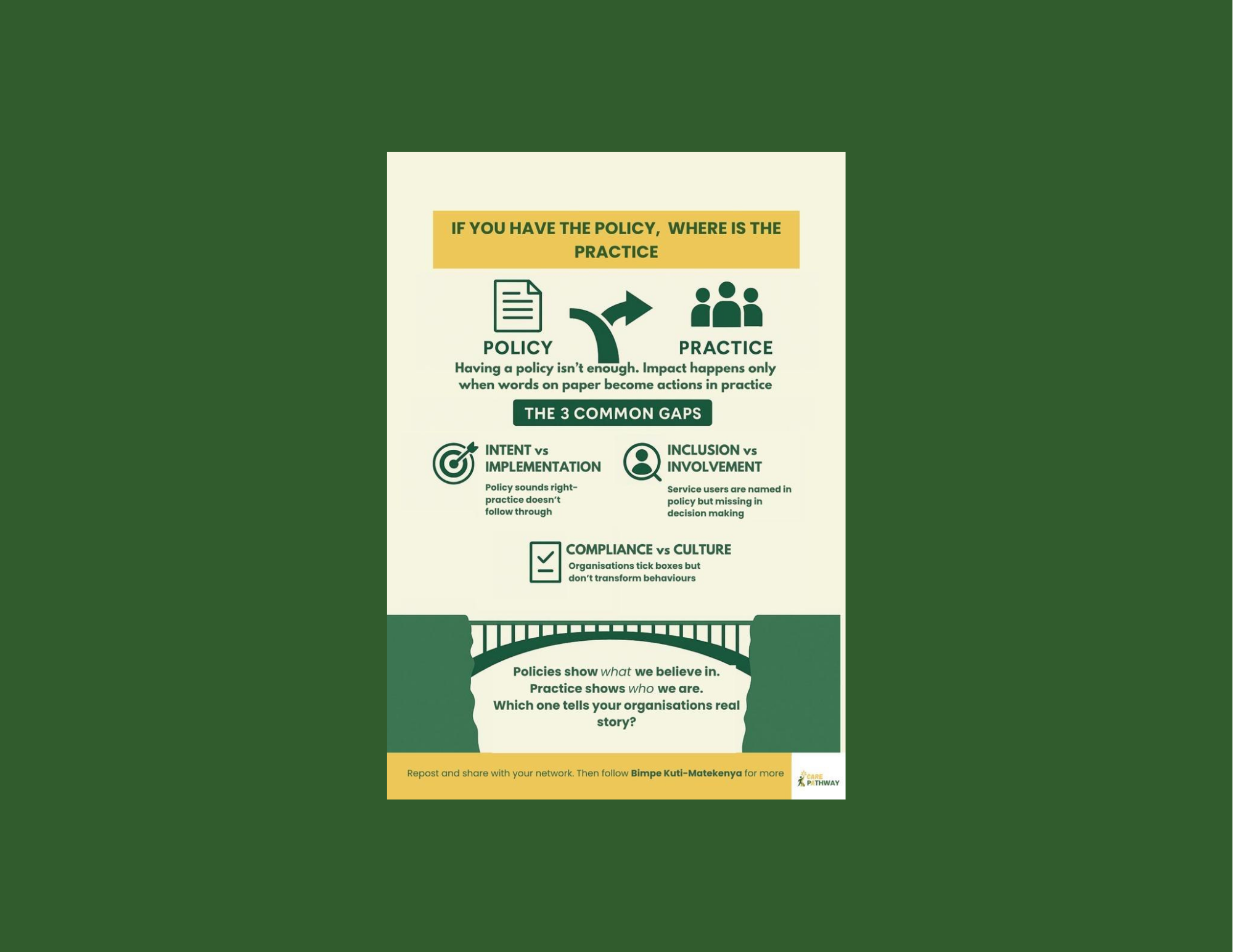
Download Infographic Here
We often speak about “the social care system” as if it were a single, coherent structure. In reality, social care in England operates through multiple parallel systems, each with its own rules, funding logic, accountability mechanisms, and priorities.
Local authority commissioning, NHS-led integration through Integrated Care Systems, regulatory oversight by the Care Quality Commission, safeguarding frameworks, workforce and immigration systems, market-based commissioning, and lived-experience voices. All operating side by side, rarely as one.
This sentence above is still a reality. This person wasn’t asking for much. Just help to keep their loved one safe at home. What many have found instead, was not a system, but many systems and each speaking a different language. Some situations experienced are these listed below:
None of these systems were broken on their own. Together, they were impossible to navigate. The result of such scenarios above is not integration, but fragmentation.
For people drawing on care and support, this complexity is invisible in theory but deeply felt in practice. Individuals and families are left navigating multiple systems while unwell, stressed, or in crisis and repeating their story, chasing assessments, and bridging gaps between services that are meant to work together. Everyone owns a piece, but no one owns the outcome.
For some providers, it means choosing between financial survival and continuity of care.
Quality, in this context, becomes something that is measured rather than experienced. Quality should be experienced -
We talk frequently about integration, yet integration without shared power, shared data, and shared accountability remains rhetorical. When responsibility is dispersed across systems, accountability is diluted. Coordination is not the same as integration and it’s time to start redesigning the system around the people who live inside it. So we can say we have a system that does not just manage pressure, but delivers care.
Social care does not struggle because people don’t care. It struggles when responsibility is shared, but PRIORITY is not.
If public health and social care is truly to deliver dignity, safety and equity, we must move beyond managing fragmentation and start redesigning systems around lived experience.
Empowering excellence means more than improving services. It means reshaping the conditions that determine quality in the first place.
If you are a Public Health and Social Care leader, practitioner, educator, researcher or volunteer, take one step this month to challenge fragmentation in any sphere you occupy and have influence. I leave you with this reflection below:
The question is NOT whether we can afford to integrate better. The question is whether we can afford not to.
.png)